New
Brake Pads and Shoes
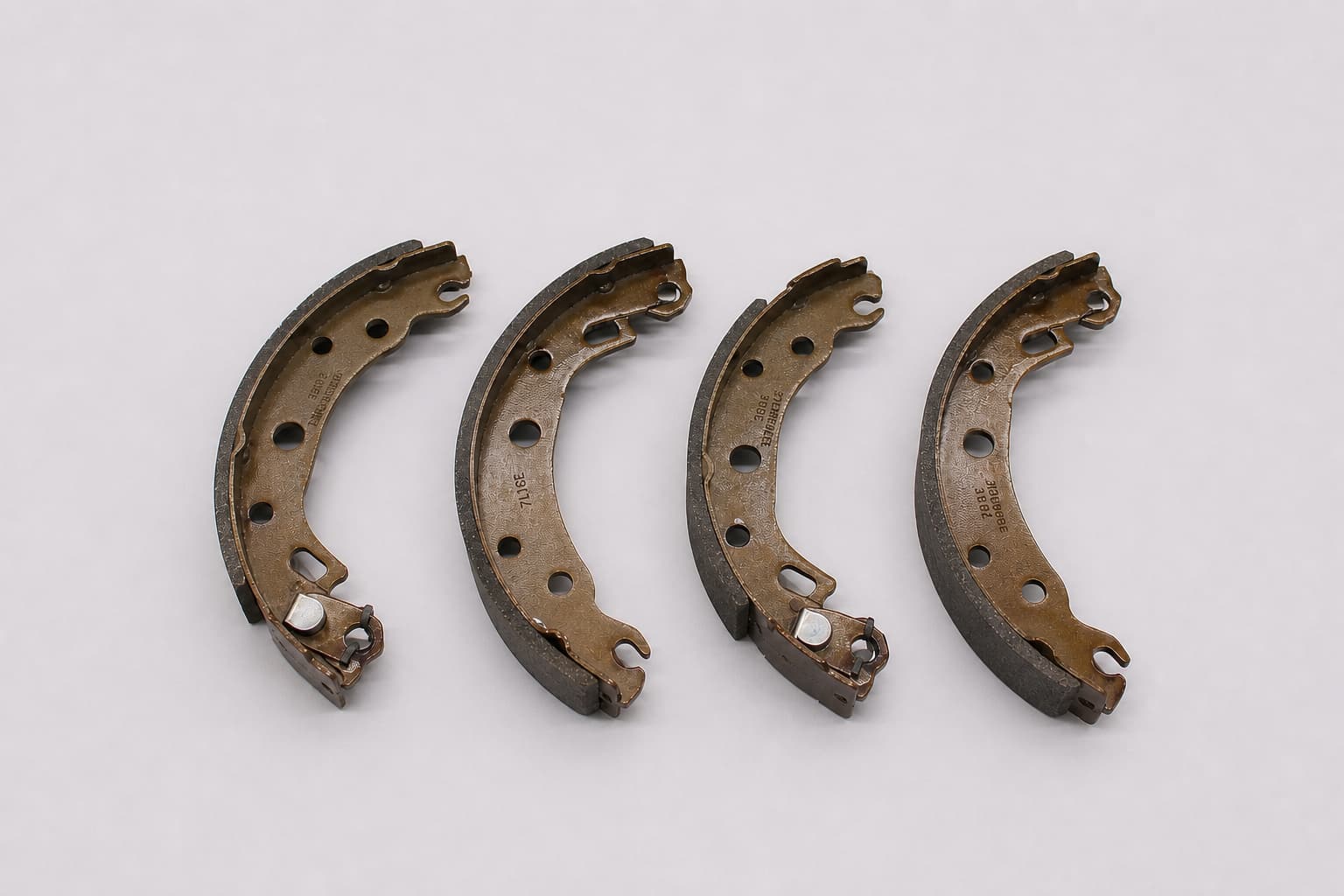
Honda Stepwagon (RK1) Rear Brake Shoe
Contact for Price
Only 2 left in stock
Vehicle Compatibility
Honda STEP-WAGON
RK7
RK6
RK5
RK4
RK3
RK2
RK1
Compatible Years
2009
2010
2011
2012
2013
2014
2015
Additional Information
Weight
0.35 kg
Dimensions
17 x 15 x 3 cm per shoe
Description
Keep your Honda Stepwagon safely secured with this high-quality Rear Parking Brake Shoe Set, designed specifically for the 4th Generation Honda Stepwagon (RK1–RK7, 2009–2015).
The parking brake shoe is a curved piece of friction material that presses against the inside of the brake drum when the handbrake or e-brake is engaged.
In vehicles with rear disc brakes like the Stepwagon RK1, parking brake shoes are part of an internal drum brake system, known as a drum-in-hat configuration.
The parking brake operates separately from the primary braking system and functions through a series of mechanical linkages or cables; when the driver pulls the handbrake lever, a cable activates the brake mechanism, pulling the parking brake shoes against the inside of the rear rotor's drum-in-hat. The friction created between the brake shoes and the drum prevents the wheels from turning, keeping the vehicle stationary.
The brake shoe carries the brake lining, which is riveted or bonded to the shoe. When the brake is applied, the shoe moves and presses the lining against the inside of the drum; the friction between lining and drum provides the braking effort.
Over time, these shoes will naturally wear and require replacement.
Common causes of failure include excessive wear from frequent use, which causes the friction material to wear down and reduce effectiveness, as well as rust and corrosion from moisture and debris, which can cause the shoes to seize up or stick in place.
Specifications
| Width | 30 mm |
|---|---|
| Material | Semi-Metallic or Organic Friction Material |
| Brake System | Akebono Type (Drum-in-Hat) |
| Inner Diameter | 180 mm |
| Quantity Required | 4 shoes (for a complete rear axle set) |