Honda STEP-WAGON parts
Model code RK3
Change
4 parts
for RK3
New
Only 1 left
Electrical
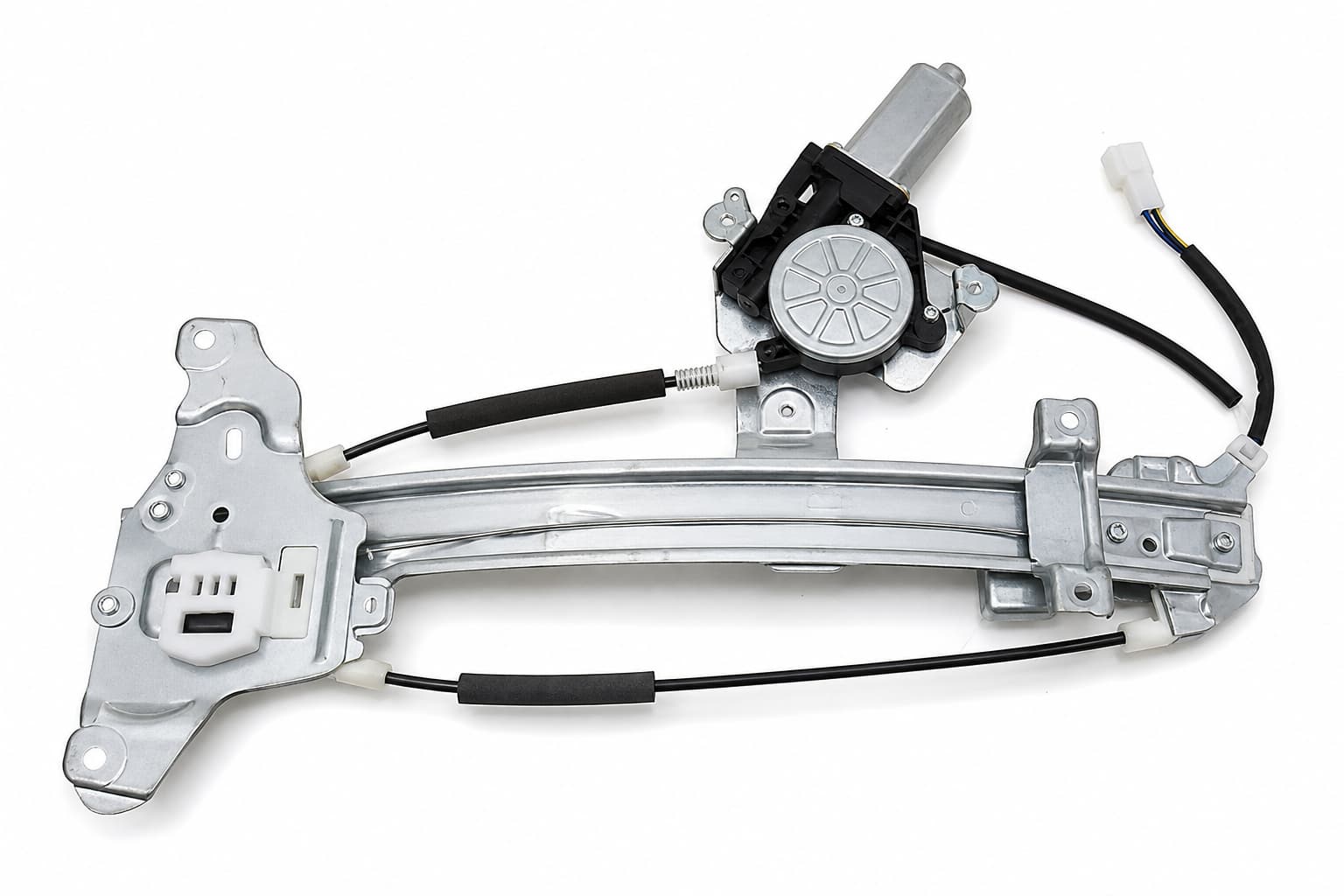
Honda Step-Wagon Rear Power Sliding Door Regulator
Genuine Honda rear power sliding door regulator, part number 72710-SLJ-013, for the Step-Wagon RG1 and RG2.
The regulator is the motorised mechanism that drives the powered sliding door open and closed. Failure is a common complaint on power-door Hondas of this generation and gives a fairly consistent set of symptoms: the door opens or closes part way and stops, moves slowly or unevenly, makes a grinding or clicking noise from the track area, or stops responding to the remote and switch entirely while still operating by hand.
Before ordering, confirm the fault is the regulator rather than something simpler. A worn roller or a dirty, obstructed track will cause the door's safety system to reverse or stop it, and the control unit will refuse to drive a door that is binding mechanically. Cleaning and lubricating the track is worth doing first.
Fits RG1 and RG2 only.
New
Only 3 left
Front Windshields
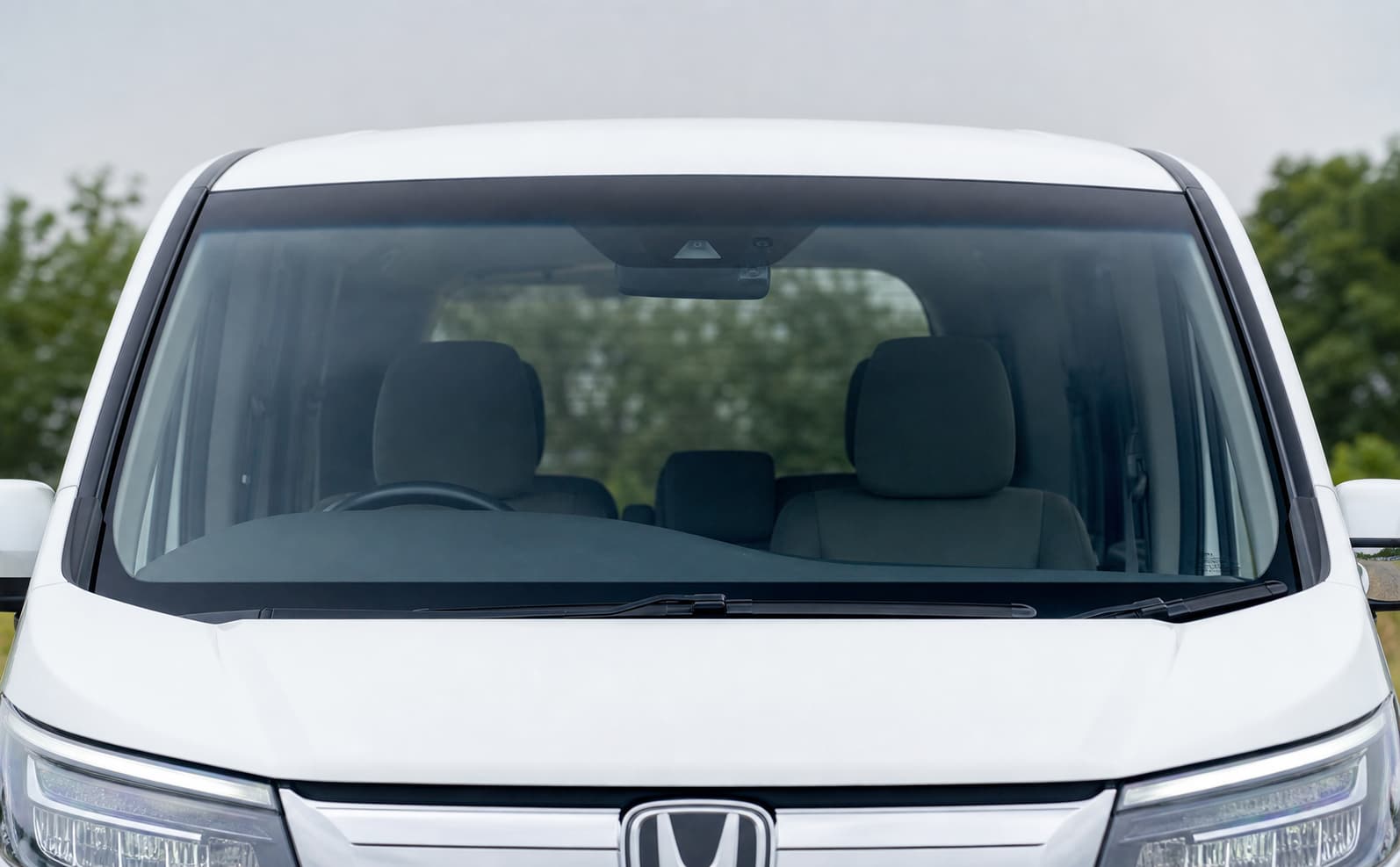
Honda Step-Wagon Front Windshield
Front windshield glass for the Honda Step-Wagon RG1 and RG2, built between 2005 and 2009. Laminated safety glass cut to factory dimensions for a direct glue-in replacement.
Laminated construction bonds two layers of glass to an interlayer, so an impact cracks the outer layer without the screen breaking apart. The bonded screen is also structural: it contributes to roof strength in a rollover and provides the backstop that the passenger airbag deploys against, which is why the quality of the bond matters as much as the quality of the glass.
This is a bonded installation requiring the correct urethane adhesive and primer, and should be fitted professionally. Allow the adhesive its full safe-drive-away time before the vehicle returns to the road.
Fits RG1 and RG2. Please confirm your mirror mount and shade band requirements before ordering.
New
Brake Components
Honda Step-Wagon Front Brake Rotors (RK)
Front brake rotors for the fourth-generation Honda Step-Wagon, the RK series built from 2009 to 2015. Manufactured by DriveJoy, Tokico's Japanese OE-tier aftermarket brand, under Honda part number 45251-TA0-A01.
The Step-Wagon is a tall, heavy eight-seat MPV and the front discs carry almost all of its braking load. The characteristic complaint on these is a pulsation through the pedal that builds over time, which is disc thickness variation rather than genuine warping, and it is not fixed by fitting new pads alone.
Replace rotors in axle pairs and fit new pads at the same time. Clean the hub face back to bare metal before mounting, as rust trapped between hub and rotor introduces runout from the moment it is bolted up. Torque the wheel nuts properly and evenly, uneven wheel-nut torque is a genuine cause of disc distortion on this platform.
New
Only 2 left
Brake Pads and Shoes
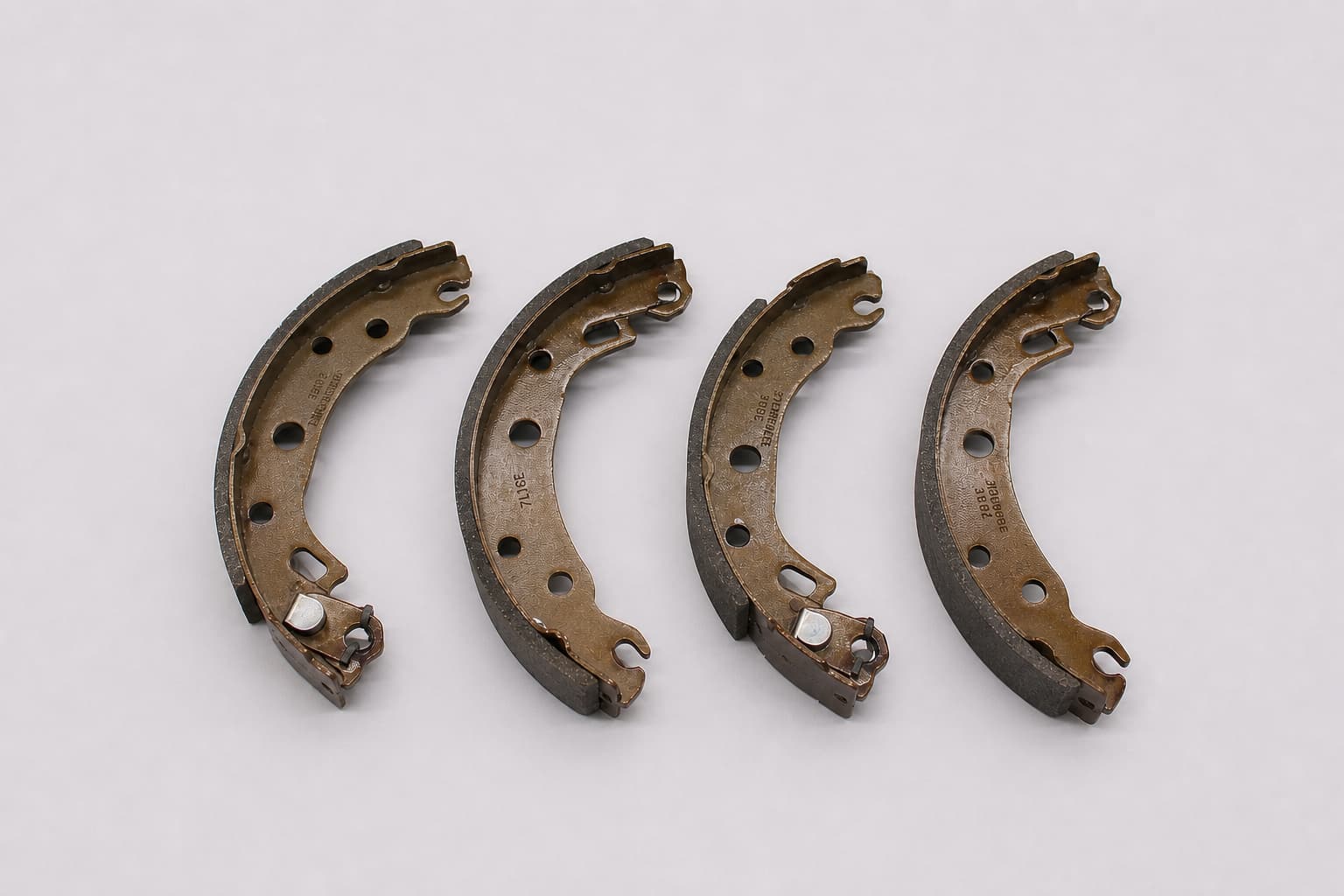
Honda Stepwagon (RK1) Rear Brake Shoe
Keep your Honda Stepwagon safely secured with this high-quality Rear Parking Brake Shoe Set, designed specifically for the 4th Generation Honda Stepwagon (RK1–RK7, 2009–2015).
The parking brake shoe is a curved piece of friction material that presses against the inside of the brake drum when the handbrake or e-brake is engaged.
In vehicles with rear disc brakes like the Stepwagon RK1, parking brake shoes are part of an internal drum brake system, known as a drum-in-hat configuration.
The parking brake operates separately from the primary braking system and functions through a series of mechanical linkages or cables; when the driver pulls the handbrake lever, a cable activates the brake mechanism, pulling the parking brake shoes against the inside of the rear rotor's drum-in-hat. The friction created between the brake shoes and the drum prevents the wheels from turning, keeping the vehicle stationary.
The brake shoe carries the brake lining, which is riveted or bonded to the shoe. When the brake is applied, the shoe moves and presses the lining against the inside of the drum; the friction between lining and drum provides the braking effort.
Over time, these shoes will naturally wear and require replacement.
Common causes of failure include excessive wear from frequent use, which causes the friction material to wear down and reduce effectiveness, as well as rust and corrosion from moisture and debris, which can cause the shoes to seize up or stick in place.